
Post-surgery Rehabilitation
Post-surgery rehabilitation is a staged process carried out within the instructions of your surgeon and medical team. We assess where you are now, work within any restrictions from your operation, and progress the plan against checkpoints and your response rather than a fixed timeline.
Emergency symptoms need medical care first
These programmes are not for emergencies. Sudden severe pain, a suspected fracture, new or spreading weakness or numbness, chest pain, breathing difficulty or loss of consciousness need urgent medical care rather than a routine rehabilitation appointment.
We take time to assess, explain and follow up, and agree a suitable rehabilitation direction with you. WhatsApp us to book, or ask first.
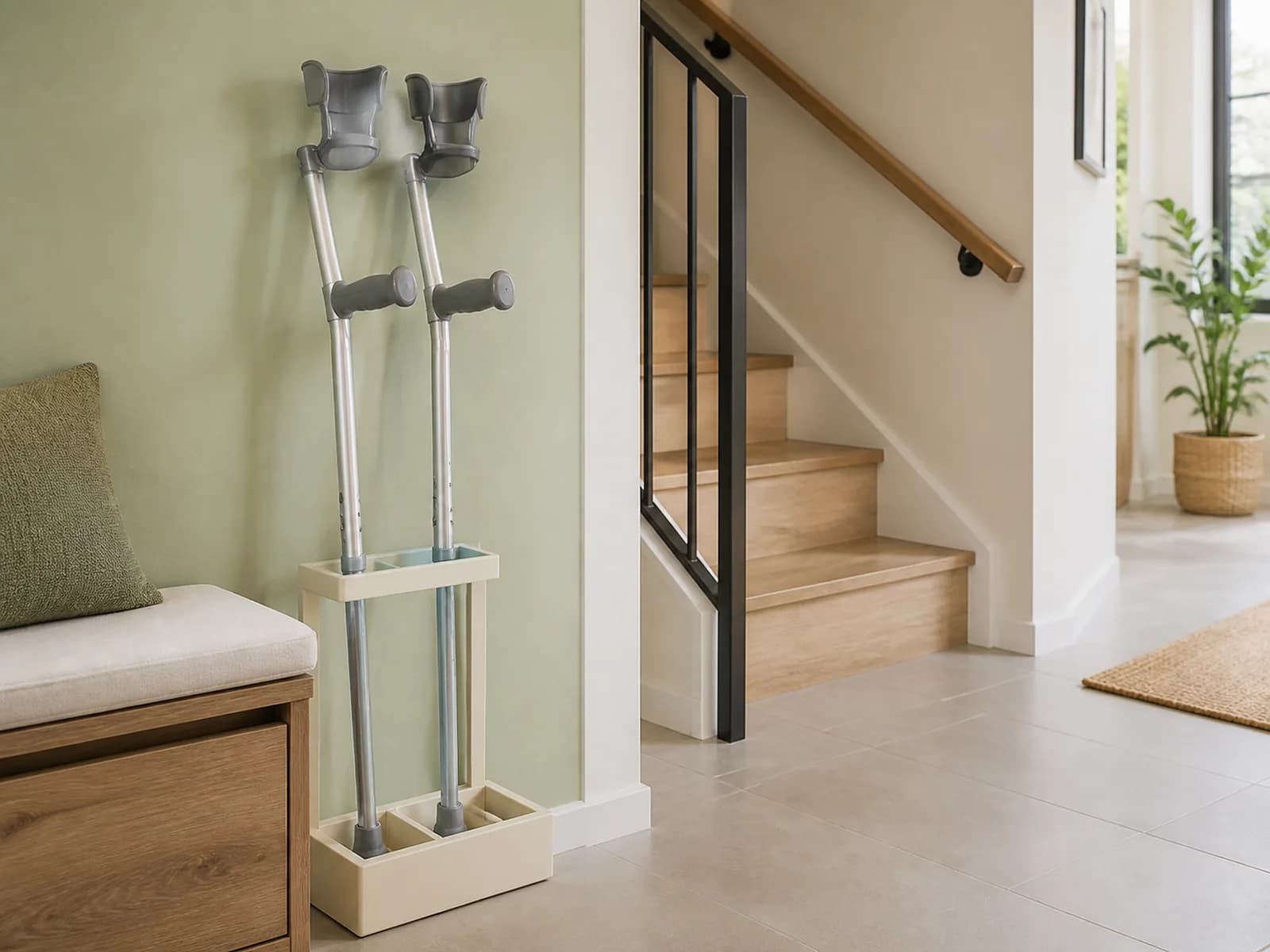
It is structured rehabilitation after an operation, aimed at helping you regain movement, strength and function for daily life, work or sport within what your surgical team allows. Suitability and timing depend on the operation and your recovery, and rehabilitation does not change the surgery itself or the healing time your tissues need.
- After joint replacement, such as hip or knee
- After ligament or tendon repair or reconstruction
- After arthroscopic or keyhole procedures on a joint
- After spinal surgery, where your surgeon has cleared rehabilitation
- After a fracture that was fixed surgically, once your team allows loading and movement
Your operation may come with specific precautions — limits on range of movement, weight-bearing, or certain positions and activities for a period, and sometimes a protocol with expected stages. We ask for these details, work within them, and coordinate with your surgeon or their team where needed. We do not override surgical restrictions or bring forward milestones your team has set; if you are unsure about your precautions, we help you check with them.
Assessment establishes a clear starting point and confirms what is and is not allowed at this stage.
- The operation, the date, and any precautions, restrictions or protocol from your surgical team
- The wound, swelling and pain, and how they are settling
- Available range of movement and the quality of movement
- Strength, muscle activation and control around the area
- Current function and your goals for home, work or sport
- General health, medicines and any medical screening indicated by your history
The programme usually moves through overlapping stages, kept within your surgical precautions at each point. Moving from one stage to the next depends on meeting that stage's targets and on how your wound, swelling and symptoms respond — not on reaching a set week. Progress can be uneven, and stages may be held or repeated.
- Protect and calm: manage swelling and pain, protect the repair, and keep safe areas moving
- Restore range and activation: regain movement and re-establish muscle control within limits
- Build strength and control: progressive loading as clearance and response allow
- Return to function: graded return to daily activities, work and, where relevant, sport
We review progress against each stage's targets and your goals, and adjust the plan as your response changes. Between sessions you will usually have a short home programme with clear progression rules, guidance on swelling, wound care within your team's advice, positioning and pacing, and what a reasonable response to exercise looks like. Some effort and mild, short-lived soreness can be expected; a marked increase in pain or swelling, or a loss of range you had regained, means you should ease back and contact us.
Rehabilitation may help some people recover function after surgery, but progress and outcome vary with the operation, the tissue involved, your health and your response, and we cannot promise a specific result or timeline. Rehabilitation also does not replace surgical follow-up.
- Seek urgent or emergency care for a hot, red, increasingly painful or discharging wound, fever or feeling very unwell, calf pain, swelling or warmth, sudden chest pain or breathing difficulty, a fall onto the operated area, or sudden new weakness, numbness or loss of bladder or bowel control
- Contact your surgical team or a doctor promptly for a wound that is not healing, swelling that keeps increasing, a sudden loss of range or function, or pain that is steadily worsening rather than gradually settling
- Expected soreness that eases within a day, gradual improvement in range and strength, and short-lived stiffness after exercise are usually part of normal recovery and can be reviewed at your next session