Knee osteoarthritis: staying active when stairs and squatting hurt
Pain on stairs, stiffness after sitting, and days that are noticeably better or worse than others — knee osteoarthritis is one of the most common reasons older adults reduce what they do. It is also one of the most misunderstood, because the picture people have in mind is usually worse than the reality.
What is actually going on
Osteoarthritis involves changes to the joint surfaces and the tissues around them. It is better described as a whole-joint condition than as simple wear and tear, and it does not mean the knee is wearing out on a fixed schedule. Symptoms often fluctuate, and the amount of change seen on an X-ray does not reliably predict how much pain or difficulty someone has. Guidelines therefore say osteoarthritis is normally diagnosed clinically without routine imaging. Reading about symptoms cannot diagnose your knee — that needs an in-person assessment.
How it usually behaves
- Pain with stairs, slopes, squatting or standing up from a chair
- Stiffness after sitting or first thing in the morning that eases fairly quickly
- Good weeks and bad weeks rather than a steady level
- Reduced walking distance, or avoiding outings because of the knee
- Occasional swelling after a busier day
Other possibilities are worth keeping in view. Inflammatory arthritis behaves differently, with prolonged morning stiffness and other joints involved. A meniscal problem, a bone stress problem or pain referred from the hip can look similar. A hot, swollen knee with a fever is a different situation altogether and needs medical attention rather than rehabilitation.
What an assessment looks at
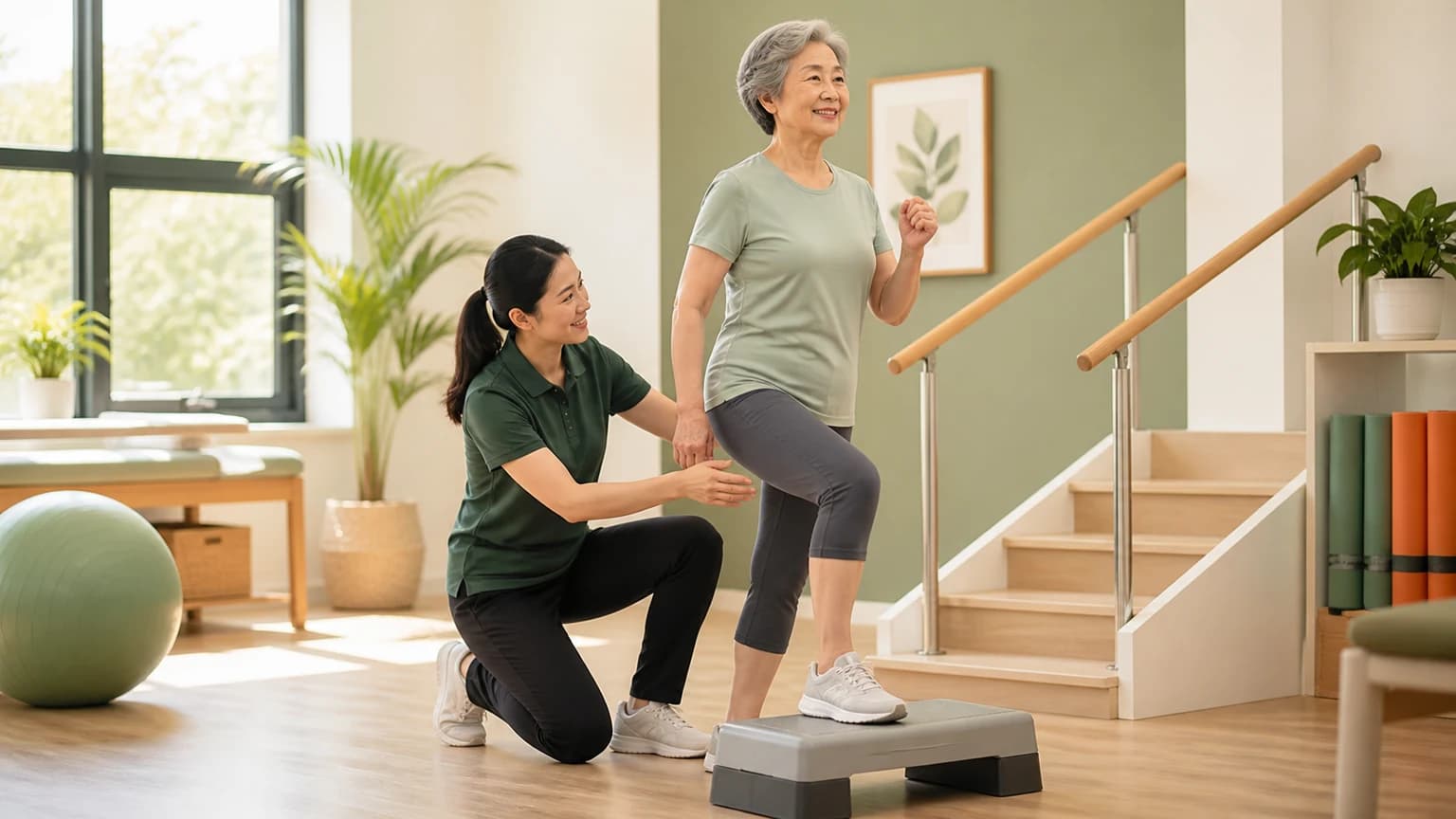
The starting point is what you can and cannot do now, and what you would like to get back to. That is followed by knee movement, thigh and hip strength, standing balance, how you rise from a chair and manage a step, and how far you can walk before symptoms build. Other health conditions and medicines matter here too, because they shape what kind of exercise is appropriate and how quickly it can progress.
What a plan may involve
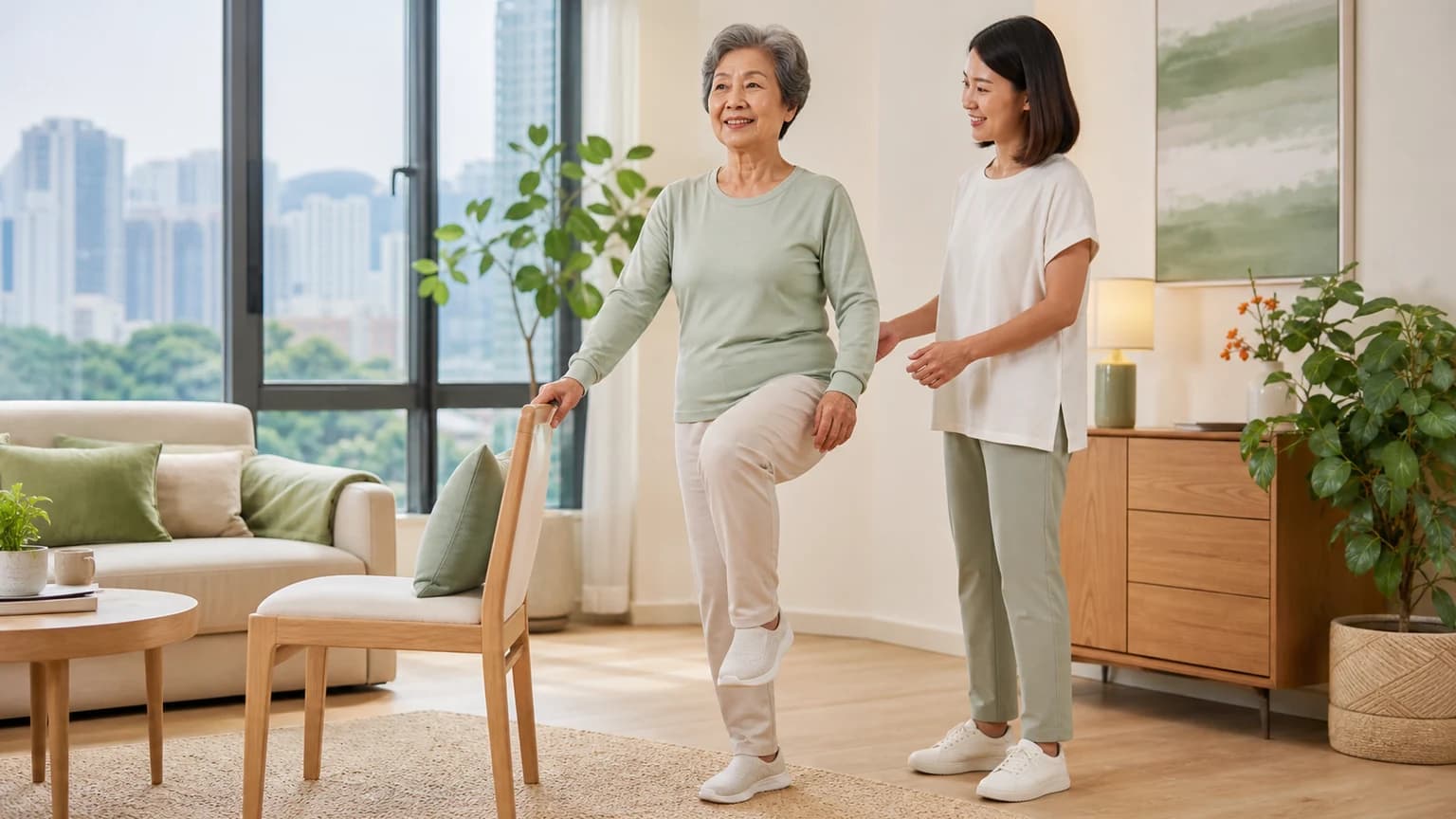
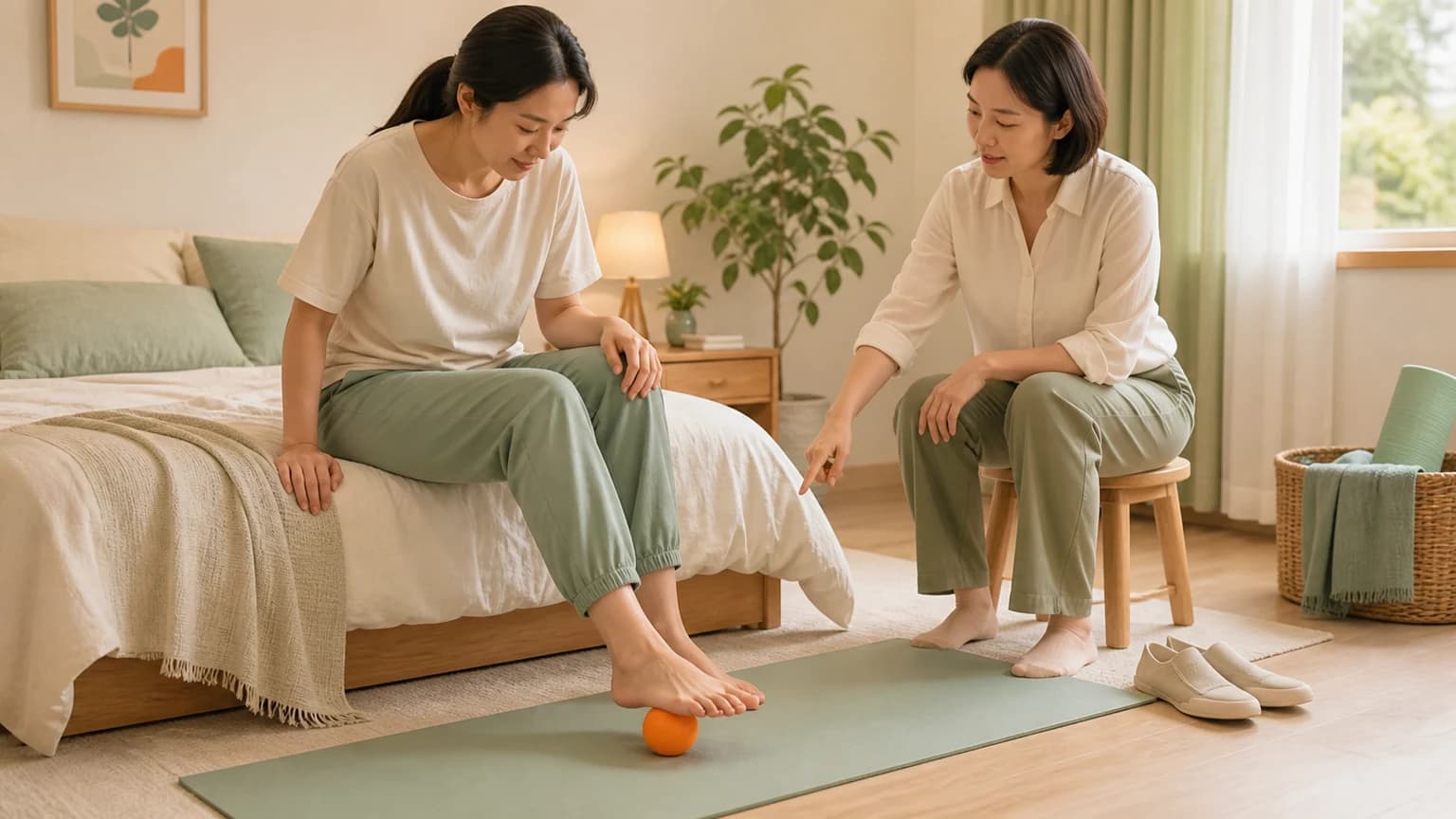
Tailored exercise is the core: strengthening for the thigh and hip, walking or cycling for general fitness, and balance work where falls are a concern. Where weight is a relevant factor, its effect on knee load can be discussed alongside your doctor, without assumptions being made about you. Depending on the assessment, hands-on treatment or acupuncture may be considered where you consent. There is no fixed protocol, your preferences guide the choices, and the plan is adjusted as you respond. Pain relief and any surgical discussion sit with your doctor.
What you can do day to day, and how progress is judged
Osteoarthritis is a long-term condition, so the plan has to be liveable. Pacing matters more than intensity: spreading walking through the week, using a handrail on stairs without embarrassment, and keeping a small daily routine rather than occasional heavy sessions. A worse week is expected rather than a sign of failure, which is why a flare-up plan is agreed in advance. Walking distance, chair-rise ability, strength and stiffness are reviewed at each visit, and the load is adjusted from there.
When to have it looked at medically
Ongoing osteoarthritis is normally managed with a physiotherapy assessment, exercise and self-management, alongside your doctor. Arrange a prompt medical review if the knee becomes hot, red and swollen and you feel feverish; if morning stiffness lasts well over an hour or several joints flare together; if the knee gives way or locks repeatedly; or if pain becomes constant and unrelieved at rest. In an older adult, knee or leg pain after a fall should be assessed medically, as a fracture is possible without obvious deformity. Go to an emergency department the same day if you cannot bear weight after an injury, or if the lower leg becomes swollen, hot and painful in a way that does not fit your usual pattern.
If this sounds like your situation, WhatsApp or call us to arrange an assessment.
Knee osteoarthritis making stairs, walking or standing up harder? We assess function, strength and daily load, then build an exercise-based plan around what you want to keep doing.
Knee pain on stairs, squatting, walking or running? We assess how the knee, hip and ankle share load, discuss what the findings mean, and agree a rehabilitation plan with you.
Lower back pain that limits sitting, bending, work or sleep? Our Yau Ma Tei physiotherapists assess your symptoms, movement and daily load, then agree an individual plan with you.
Neck pain, a stiff neck or headaches linked to neck tension? Our Yau Ma Tei physiotherapists assess your symptoms, movement, work setup and sleep before agreeing a plan with you.